
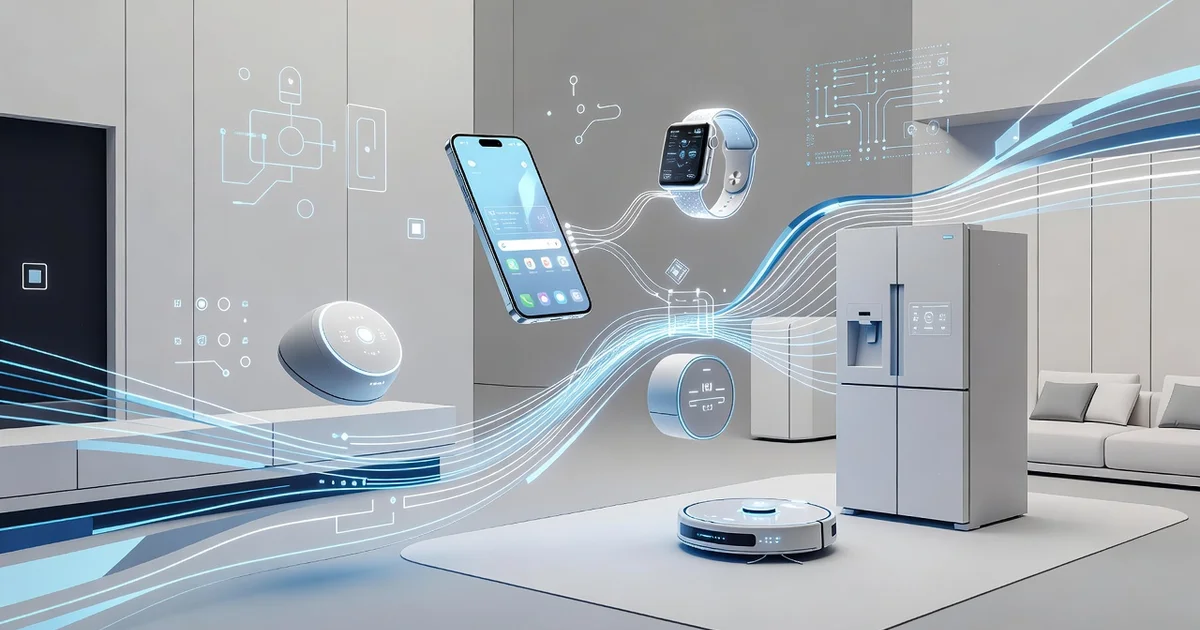
Smart devices are no longer a glimpse of the future — they’re woven into how we live, work, and unwind. But the next wave of connected technology will go far beyond voice assistants and app-controlled lights. From intelligent homes that anticipate your needs to wearables that monitor your health in real time, the ecosystem is evolving fast.
In this article, we’ll explore the future of smart devices, the trends shaping connected technology, and what these changes mean for you. Whether you’re upgrading your home or simply curious about what’s next, you’ll find clear, practical insights to help you stay ahead of the curve.
Introduction
The future of smart devices and connected technology is no longer a distant vision—it is unfolding in homes, workplaces, and cities right now. From thermostats that learn your schedule to wearable health monitors that alert you to irregularities, connected technology is reshaping how people live and work. This article explores The Future of Smart Devices and Connected Technology with clear, practical guidance, so you can navigate the rapid changes without feeling overwhelmed.
Understanding the fundamentals of The Future of Smart Devices and Connected Technology helps you make informed decisions. Whether you are buying your first smart speaker or planning a full home automation system, the same principles apply: know what the technology does, understand its limits, and choose tools that serve your actual needs. Reliable information and consistent habits lead to better long-term outcomes—both for your budget and for your daily quality of life.
Key Concepts
Before diving into specific devices or platforms, it helps to understand a few core ideas that define this space.
- Internet of Things (IoT): The network of physical objects—appliances, sensors, cameras, wearables—that connect to the internet and exchange data. IoT is the backbone of smart devices.
- Interoperability: The ability of different brands and platforms to work together. A smart light from one company should ideally respond to a voice assistant from another. Standards like Matter and Thread are making this easier.
- Edge computing: Processing data on the device itself rather than sending everything to the cloud. This reduces latency and can improve privacy.
- Automation and routines: Rules that trigger actions—for example, “when I leave home, turn off lights and lock doors.” Automation turns isolated gadgets into a cohesive system.
- Data privacy and security: Every connected device collects data. Understanding what is collected, where it goes, and how it is protected is essential.
These concepts form the vocabulary of connected technology. Knowing them makes it easier to evaluate product claims and avoid marketing hype.
Deep Dive
The smart device market is evolving quickly, but three broad trends will shape the next few years.
1. Ambient computing. Instead of interacting with a single screen or phone, technology fades into the background. Sensors in a room detect presence and adjust lighting, temperature, and even music without explicit commands. Voice assistants and gesture controls become more natural and context-aware.
2. Health and wellness integration. Wearables are moving beyond step counting. Continuous glucose monitors, sleep trackers, and ECG-enabled smartwatches provide actionable health data. The challenge is turning that data into meaningful behavior change, not just endless graphs.
3. Smarter homes, not just connected homes. Early smart homes were collections of apps. The future is a home that anticipates needs: a refrigerator that suggests recipes based on what is inside, a security system that distinguishes a delivery person from an intruder, and energy systems that shift usage to cheaper, greener times.
For individuals, the practical implication is that you do not need to upgrade everything at once. Focus on one or two areas—say, lighting and security—and build from there. Reliable information and consistent habits lead to better long-term outcomes than chasing every new release.
Best Practices
To get the most from smart devices without creating chaos or compromising privacy, follow these best practices.
- Start with a clear purpose. Ask what problem a device solves. If you cannot name a specific benefit, skip it.
- Prioritize interoperability. Look for products that support Matter, Thread, or major ecosystems like Apple Home, Google Home, or Amazon Alexa.
- Segment your network. Put smart devices on a separate Wi-Fi network or guest network to limit exposure if one device is compromised.
- Change default passwords and enable two-factor authentication. This is the single most effective step for security.
- Review privacy settings regularly. Turn off data sharing you do not need. Check app permissions every few months.
- Update firmware promptly. Manufacturers release patches for security flaws; ignoring them leaves you vulnerable.
- Create simple routines. Automation should reduce friction, not add complexity. Start with two or three routines and expand slowly.
Step-by-Step Guide
Use this five-step process to adopt smart devices and connected technology in a deliberate, effective way.
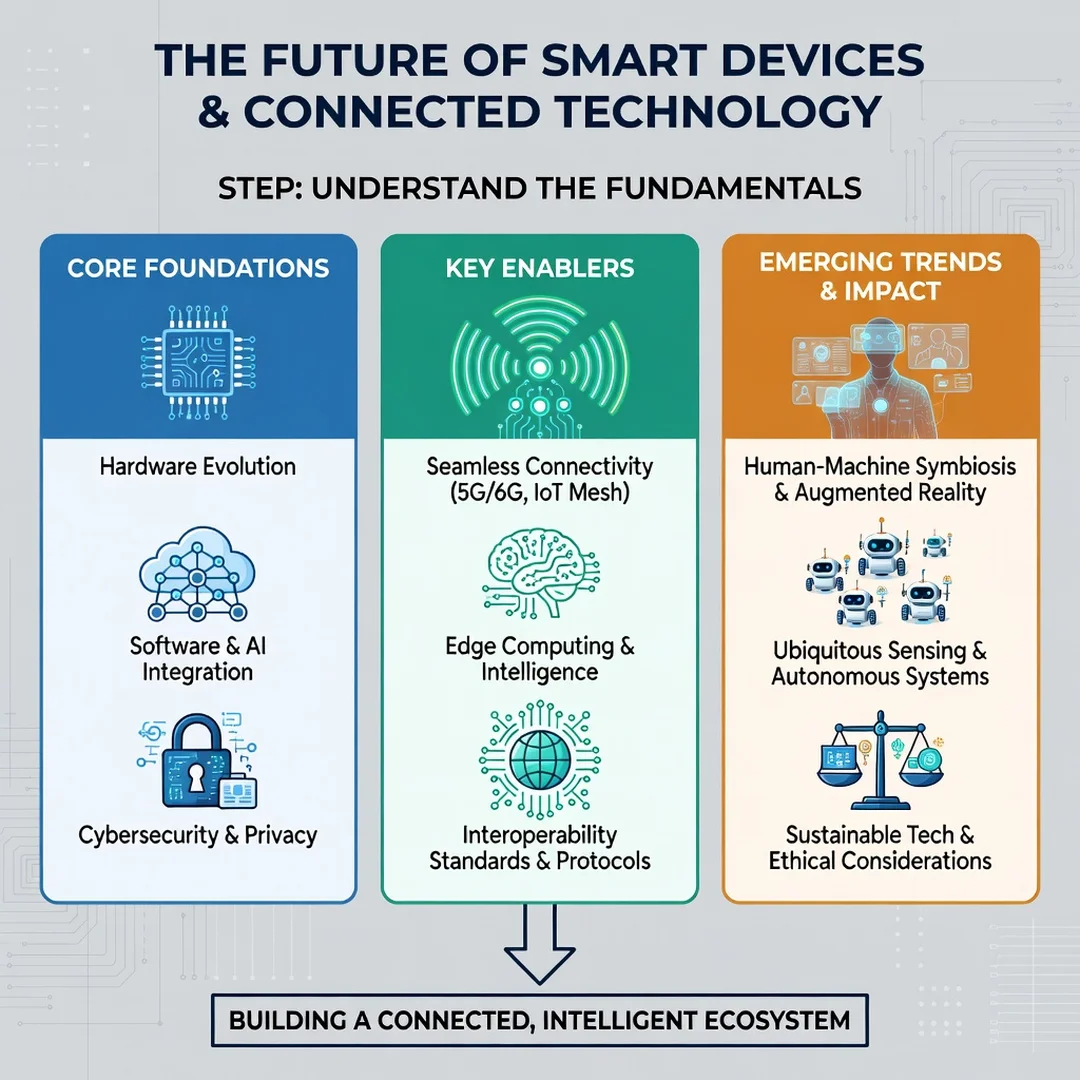
Step 1: Understand the fundamentals
Learn the basics of how smart devices communicate—Wi-Fi, Bluetooth, Zigbee, Z-Wave, Thread—and what a hub does. Read independent reviews and explainers rather than relying solely on manufacturer marketing. Understanding the fundamentals of The Future of Smart Devices and Connected Technology helps you make informed decisions.
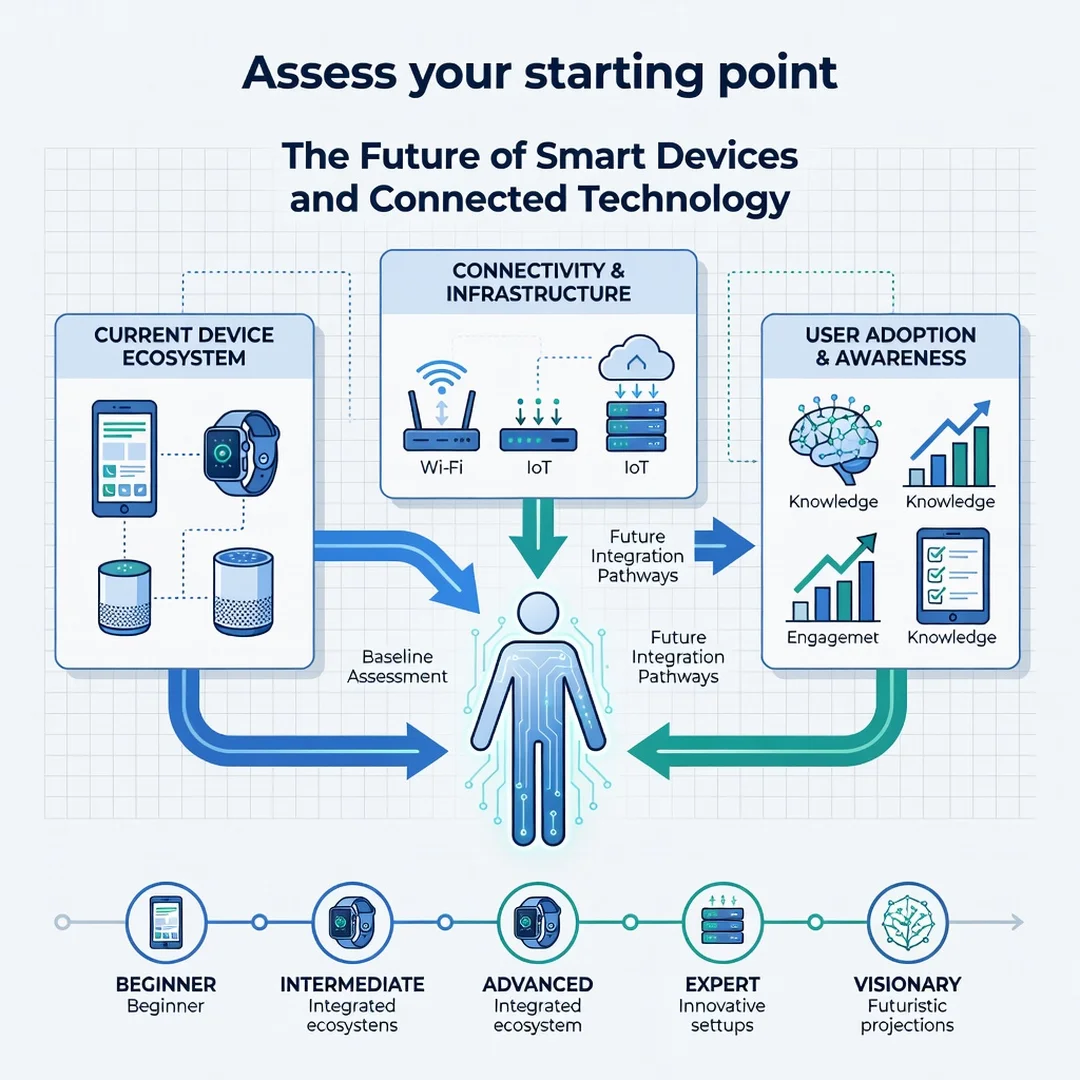
Step 2: Assess your starting point
Take inventory. What devices do you already own? What is your Wi-Fi coverage like? Do you have a voice assistant already? Identify pain points—slow internet, dead zones, or appliances that could be automated. Write down what works and what does not.
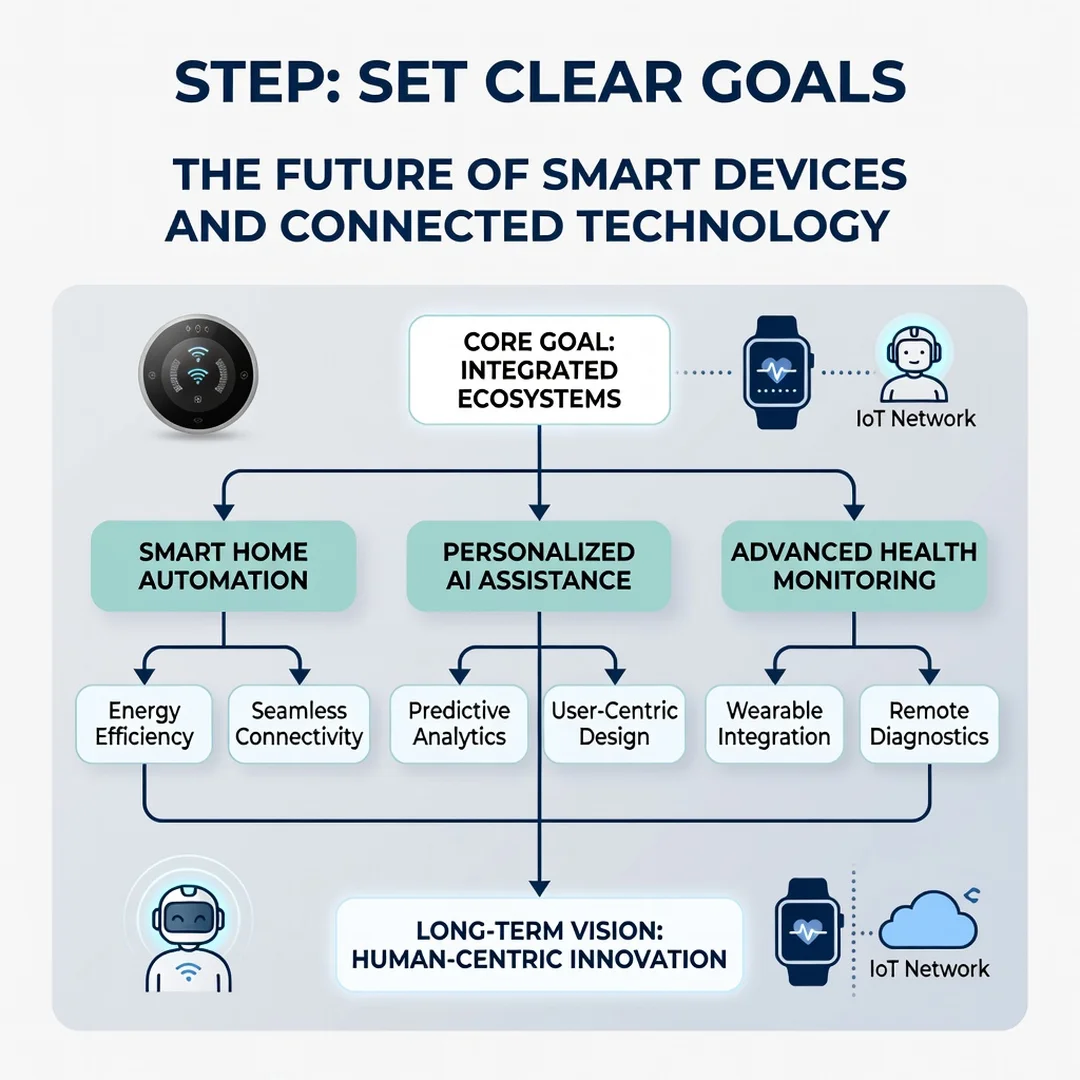
Step 3: Set clear goals
Define what success looks like. Goals might include: reduce energy bills by 10%, improve home security, monitor a health condition, or simply make daily routines smoother. Specific goals guide your purchases and prevent impulse buys.
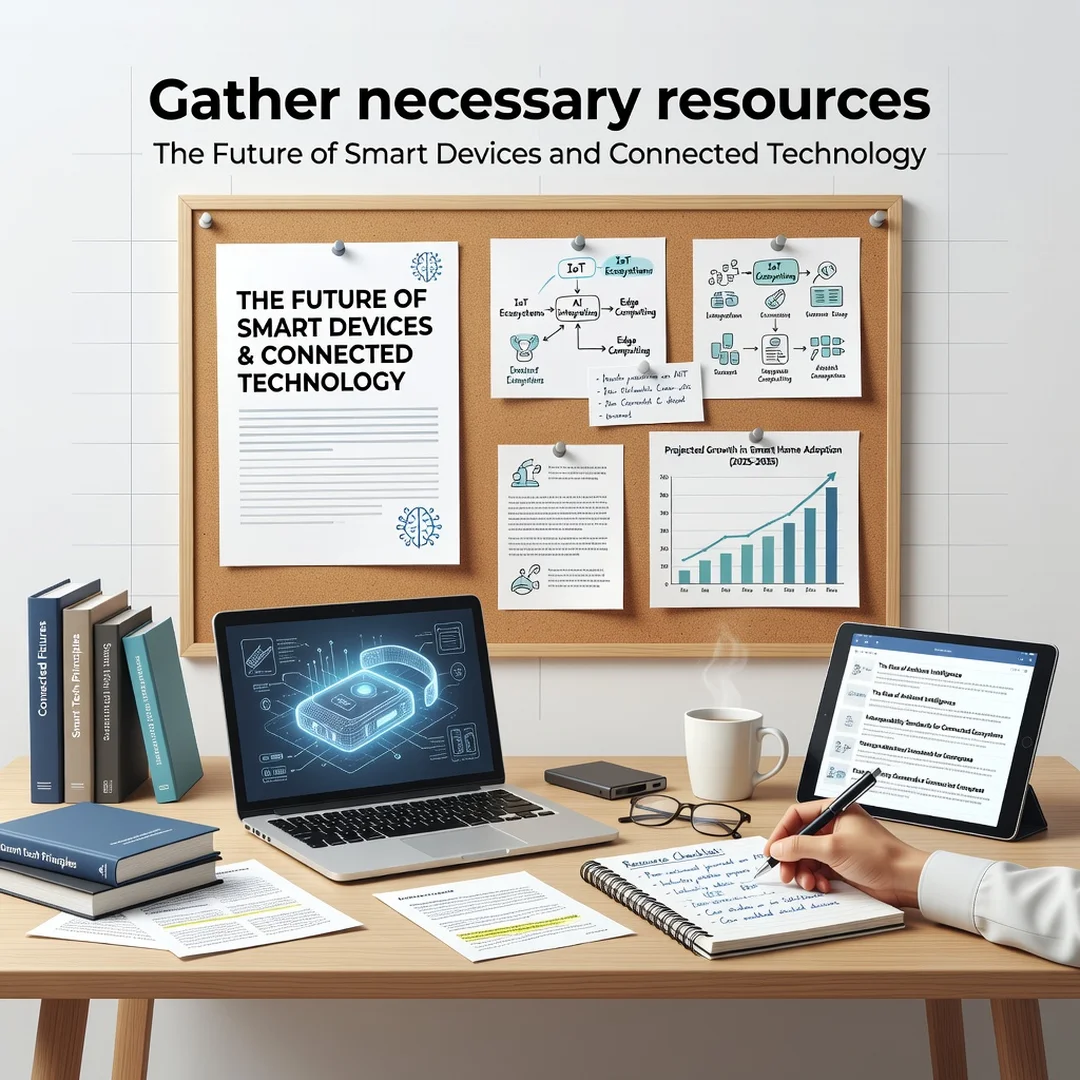
Step 4: Gather necessary resources
You may need a robust router, a smart home hub, a smartphone app, and possibly professional installation for things like smart locks or security cameras. Budget for the devices themselves plus any subscriptions. Also gather information: user manuals, community forums, and trusted review sites.
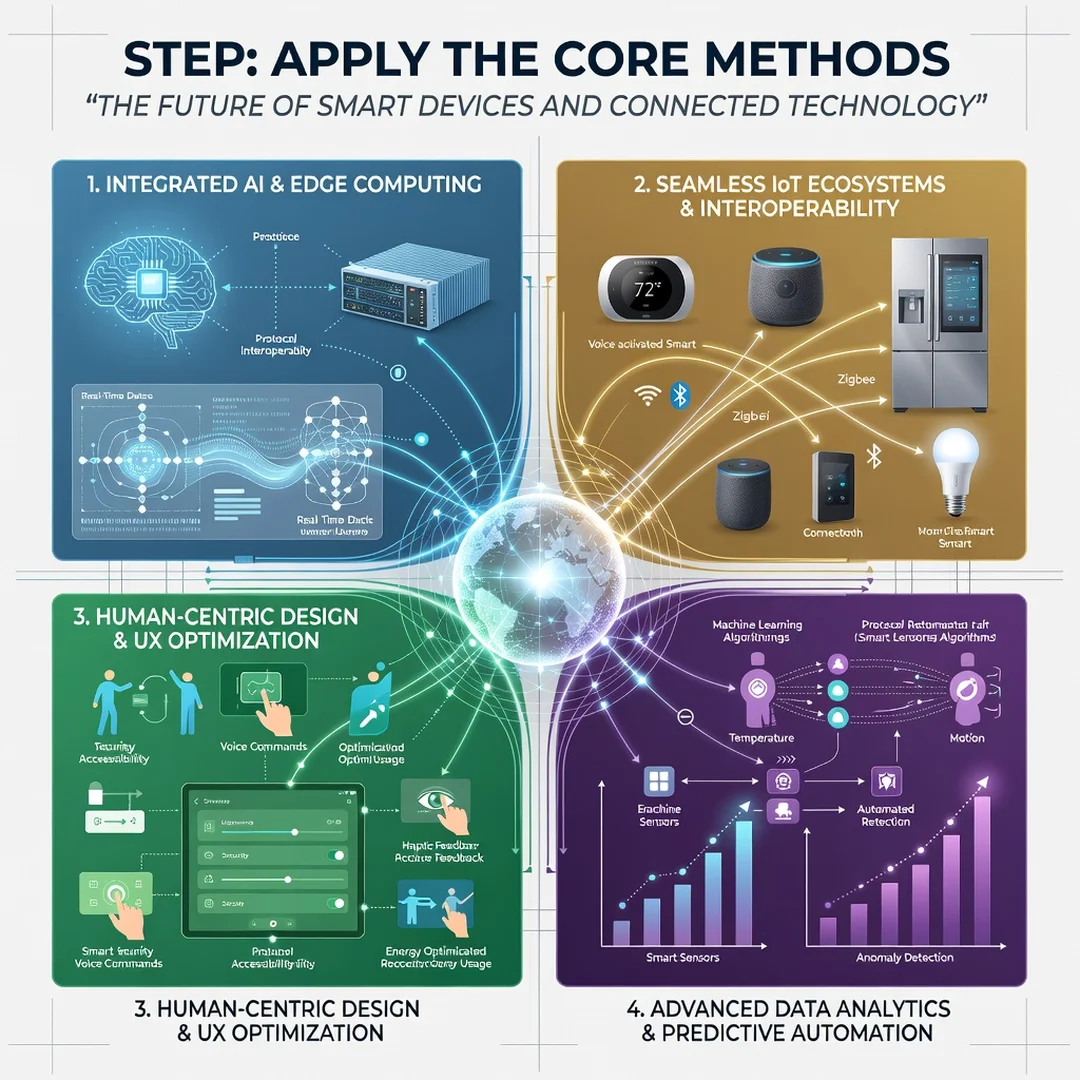
Step 5: Apply the core methods
Install and configure one device at a time. Test it thoroughly before adding the next. Set up automation gradually—start with a single routine like “turn off all lights at bedtime.” Monitor performance, adjust as needed, and keep security settings updated. Consistent habits, such as checking for firmware updates monthly, lead to better long-term outcomes.
FAQ
What should I know about The Future of Smart Devices and Connected Technology?
The most important things to know are: interoperability standards are improving, so buying devices that support Matter or Thread will future-proof your setup; security and privacy require active management; and the real value comes from automation and routines, not from owning many gadgets. Start small, focus on solving a specific problem, and expand only when you see clear benefits.
Who is this guide for?
This guide is for anyone who wants a practical, non-technical overview of connected technology—homeowners, renters, students, and professionals. It is especially useful if you are considering your first smart device or feeling overwhelmed by the number of options. No prior technical knowledge is required.
Conclusion
The future of smart devices and connected technology is not about having the most gadgets—it is about using technology intentionally to improve daily life. By understanding key concepts, following best practices, and applying a step-by-step approach, you can build a connected environment that is secure, reliable, and genuinely useful. Reliable information and consistent habits lead to better long-term outcomes, so take your time, stay curious, and let your needs—not trends—guide your choices.
Frequently Asked Questions
What should I know about The Future of Smart Devices and Connected Technology?
This guide covers the essentials of The Future of Smart Devices and Connected Technology with practical steps you can apply right away.
Who is this guide for?
Anyone looking for a clear, structured overview without unnecessary complexity.
You now have a solid foundation for The Future of Smart Devices and Connected Technology. Apply the best practices above and revisit this guide as your needs evolve.